Is 3D Printing Toxic? A Complete Guide to Fumes and Indoor Safety

Placing a machine that melts plastic at 200°C directly into your bedroom or home office naturally raises some red flags. If you have ever stood over a running 3D printer and noticed a sweet, plastic, or chemical smell, it is completely normal to wonder: Am I breathing in something dangerous? The short answer is that 3D printing is generally safe for home use, provided you respect the chemistry. According to the Environmental Protection Agency (EPA), the 3D printing process does release gases and particulates that could pose health risks to users. However, the word "toxic" exists on a wide spectrum, and safety relies entirely on understanding the specific materials you are using and how you ventilate your space.
Key Takeaways
- Not All Plastic is Equal: Standard filaments like PLA and PETG are low-risk and safe for indoor use with basic airflow. Engineering materials like ABS and Nylon release toxic VOCs and require strict ventilation.
- Understand the Emissions: Filament printing releases Ultrafine Particles (UFPs, or plastic dust) and Volatile Organic Compounds (VOCs, or chemical gases). You need both HEPA and Active Carbon filters to capture them effectively.
- Resin Requires High Caution: Uncured liquid resin is highly toxic and a severe skin and respiratory irritant. It requires a dedicated, non-living workspace and mandatory PPE (gloves and safety glasses).
- Containment is the Best Defense: Using fully enclosed printers and dedicated exhaust systems is the most effective way to keep your home's air clean.
Here is the ultimate guide to separating harmless micro-emissions from dangerous VOCs, understanding the strict safety requirements of liquid resin, and setting up a completely healthy workspace.
The Reality of 3D Printing Emissions
Whether you are melting solid filament (FDM) or curing liquid photopolymers (SLA), a chemical reaction is taking place. To understand your risk level, you first have to understand what exactly is being pushed into the air around your printer.
Filament 3D Printing (FDM): UFPs vs. VOCs
When an FDM printer heats up a spool of plastic, it releases two primary types of emissions into the air. Understanding the difference is the key to managing them.
What are Ultrafine Particles (UFPs)?
Ultrafine particles are microscopic specks of solid plastic dust, typically measuring between 1 and 100 nanometers in size. Because they are so small, EPA researchers note that they can be deposited deep into the respiratory system and are more difficult for the body to clear than larger dust particles. While all filaments produce some UFPs during printing, they are generally considered low-risk in a normal, well-ventilated room.
What are Volatile Organic Compounds (VOCs)?
This is where true toxicity concerns arise. VOCs are the actual chemical gases released when plastic is heated to its melting point. Some of these compounds are hazardous to human health when inhaled. The volume and toxicity of the VOCs produced depend entirely on the type of filament you load into the machine.
Which 3D Printer Filaments are Toxic?
To keep your home safe, you must categorize your filament into low-risk and high-risk materials.
Low-Risk Materials: PLA, PETG, and TPU
These are the safest materials for consumer use. PLA (Polylactic Acid) is derived from renewable sources like corn, rather than petroleum. While it still releases UFPs, its VOC emissions are incredibly low and generally non-toxic. The same applies to PETG and flexible TPU.
These materials are generally safe for same-room printing, provided there is basic airflow. For a deeper dive into the specifics of printing PETG at home, read our guide: Is Printing PETG Indoors Safe?
High-Risk Materials: ABS, ASA, and Nylons
You should absolutely not print these materials in an open, occupied room like a bedroom or unventilated office. ABS is derived from processing petroleum and emits a strong, noxious odor. When heated, ABS and ASA release styrene, a toxic VOC that can cause headaches, dizziness, and respiratory irritation.
If you plan to use engineering-grade materials, you must take active safety measures. Learn more about identifying and managing these specific emissions in our breakdown: Are the Odors Released During 3D Printing Toxic?
How Toxic is Resin 3D Printing (SLA)?
Resin 3D printing requires a completely different safety conversation. If you are asking, "Is resin 3D printing toxic?" the answer is a definitive yes—until the part is fully washed and cured.
The Dangers of Liquid Resin
Unlike solid filament, uncured photopolymer resin is a toxic chemical. Direct skin contact can cause severe contact dermatitis and allergic reactions that worsen over time. The fumes emitted by open vats of liquid resin are harsh respiratory and eye irritants. When operating a resin printer, wearing nitrile gloves and safety glasses is not optional; it is mandatory.
Curing Fumes and Workspace Requirements
The toxicity doesn't stop when the print finishes. The post-processing phase requires washing the sticky resin off the part, usually in highly flammable Isopropyl Alcohol (IPA), and then curing it under UV light. Because of the combined fumes of the liquid resin and the evaporating IPA, resin printing requires a dedicated, non-living workspace (like a garage or specialized workshop) with aggressive, active ventilation.
How to Make Your 3D Printing Setup Safe
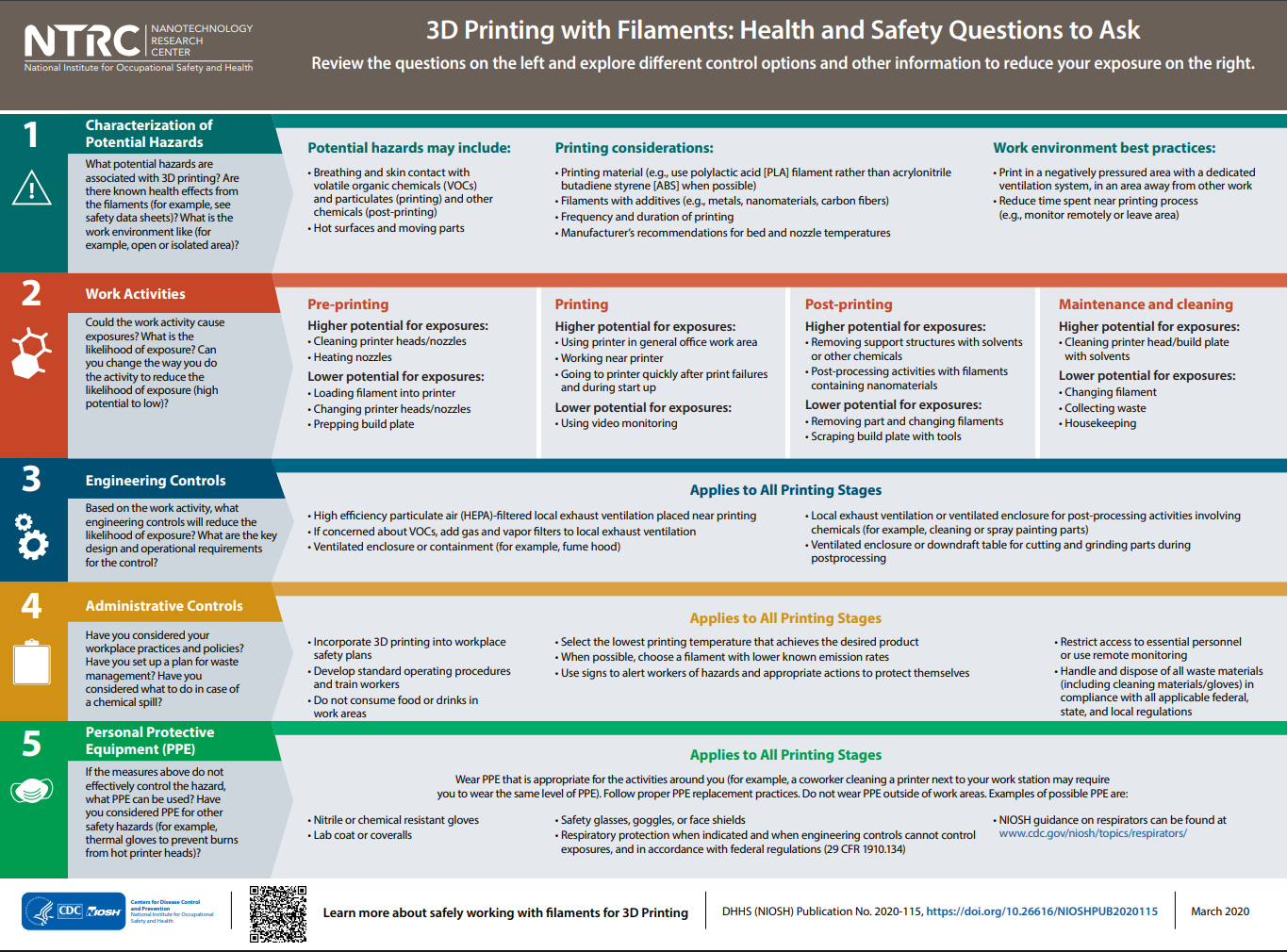
The National Institute for Occupational Safety and Health (NIOSH) recommends protecting yourself by using lower-emission materials, utilizing enclosures, capturing chemical emissions with ventilation, and reducing your time spent near an active printer. Here is how to put that into practice at home.
The Golden Rule: Ventilation
The simplest and most effective safety measure is physics. Never print in a stagnant room. Keep a window open, use a ceiling fan, and create a cross-breeze to ensure UFPs and VOCs are dispersed and cycled out of your home.
Printer Enclosures and Exhaust Systems
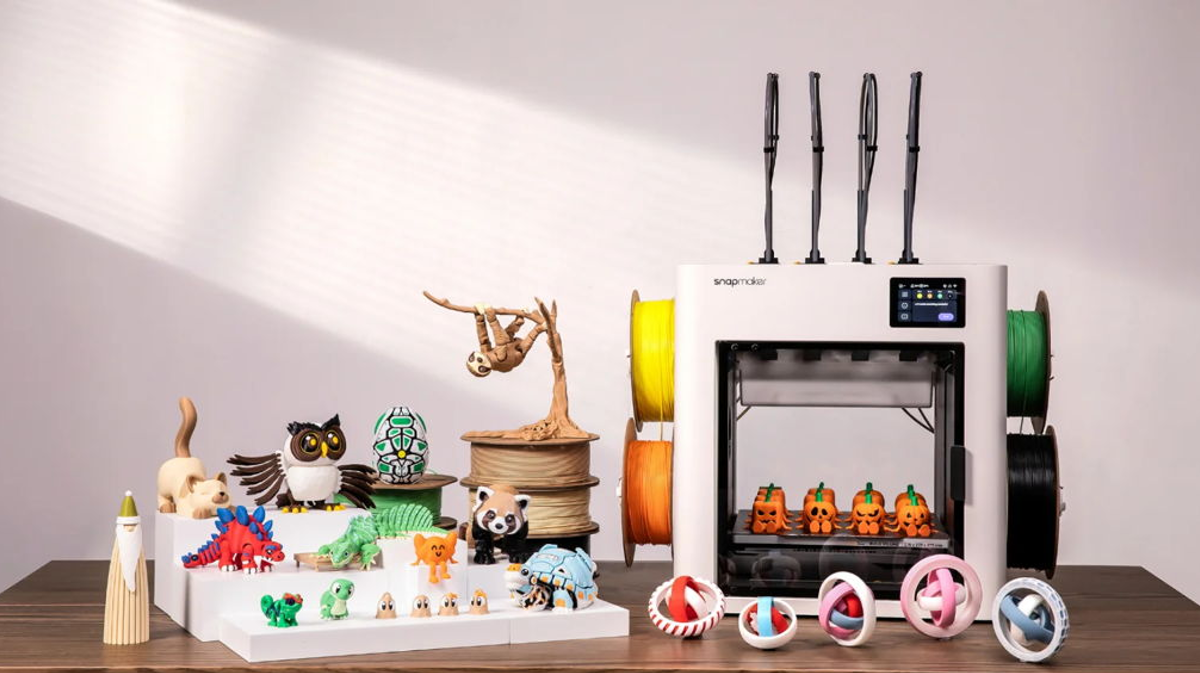
The absolute best defense against emissions is trapping them before they ever enter the room. Fully enclosed ecosystems, such as the Snapmaker Artisan, natively contain heat and fumes inside the build chamber. By keeping the air contained, you prevent the localized build-up of micro-particles in your living space.
HEPA and Carbon Air Purifiers
If you cannot vent your printer out a window, you need an air purifier. However, a standard HEPA filter is not enough. You need both a HEPA filter (to catch the solid UFPs) and an Active Carbon filter (to absorb the gaseous VOCs). Using a targeted, machine-specific solution like the Snapmaker Air Purifier ensures that the exact exhaust generated by your printer is scrubbed clean before it reaches your lungs.
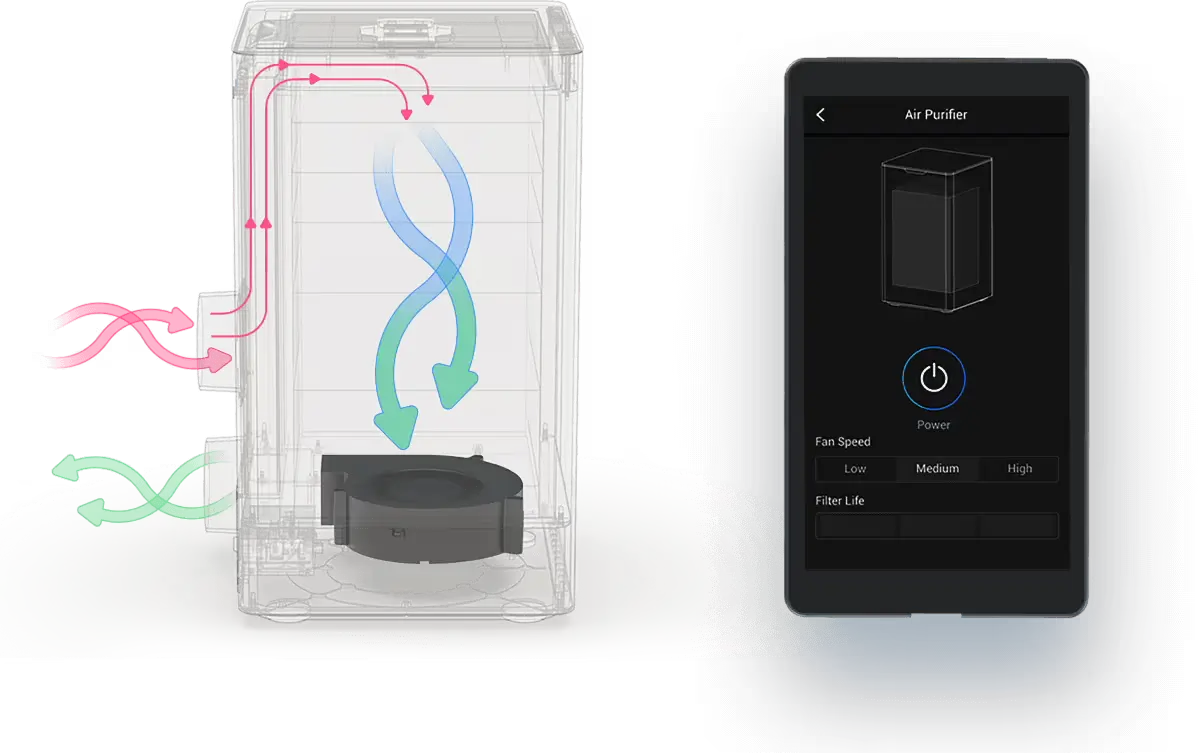
Precision Temperature Control
Finally, a poorly tuned machine can create unnecessary toxicity. If your hotend temperature fluctuates and gets too hot, it will physically burn the filament rather than just melting it, massively spiking the release of toxic VOCs. Utilizing a machine with precise, advanced thermal regulation—like the Snapmaker U1—ensures your material is melted at the exact, safe temperature required, mitigating excess emissions at the source.
Conclusion: Respect the Chemistry
3D printing is an incredibly safe and rewarding hobby for consumers. The key is simply treating your 3D printer like the real manufacturing tool that it is, rather than a toy. Stick to PLA or PETG for your desktop, enclose your machine for advanced filaments, keep your room ventilated, and your workspace will remain healthy and productive.
Frequently Asked Questions
Can 3D printers get you sick?
Yes, but it is highly dependent on the materials used and the ventilation of the room. Prolonged exposure to Volatile Organic Compounds (VOCs) released by printing materials like ABS or ASA in an unventilated space can cause headaches, dizziness, and respiratory irritation.
Is it safe to 3D print indoors?
Yes, it is safe to 3D print indoors if you are using low-emission materials like PLA or PETG in a well-ventilated room. For high-temperature, high-emission materials like ABS, indoor printing requires a sealed printer enclosure and an active exhaust system or a HEPA/Carbon air purifier.
Do 3D printers let off toxic fumes?
All FDM 3D printers release Ultrafine Particles (UFPs) and some Volatile Organic Compounds (VOCs) when melting plastic. However, standard filaments like PLA emit very low levels of VOCs that are generally considered non-toxic. High-temperature engineering filaments (like ABS and Nylon) do release toxic fumes (like styrene) and require dedicated safety measures.