What 3D Printer Videos Can Tell You: Mechanics, Inspiration, Fails, and Tutorials

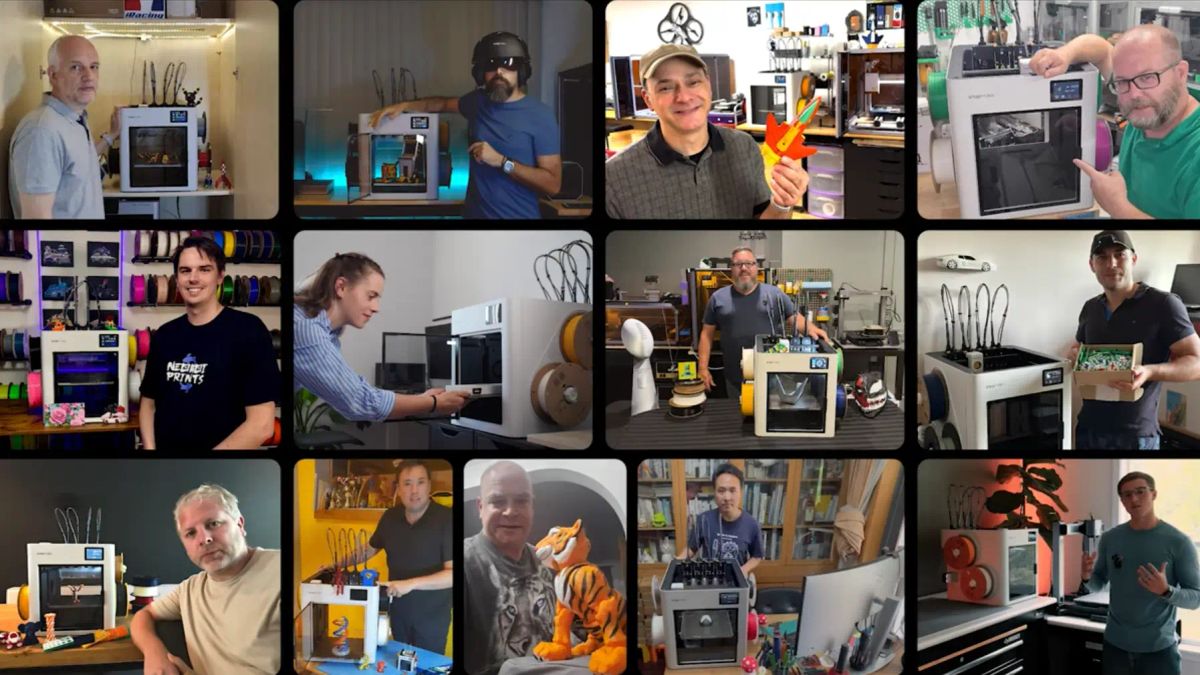
Type "3d printer video" into any search engine, and you will be met with millions of mesmerizing results. From rapid-fire time-lapses to in-depth technical breakdowns, watching a machine bring a digital concept into the physical world is undeniably captivating.
But if you look closely, these videos are much more than just oddly satisfying entertainment. They serve as an educational lens, showing us exactly how additive manufacturing is evolving. By examining the types of videos people search for, we can decode the engineering, reality, and artistry of modern printing.
Using examples from the Snapmaker U1's video library, here is a look at what the internet's favorite 3D printing videos can actually tell us.
1. Mechanics: Seeing How the Machine Actually Works
When beginners first discover additive manufacturing, their immediate search is usually for a how does a 3d printer work video. Reading about Fused Deposition Modeling (FDM) in a textbook is one thing, but watching an extruder melt and deposit microscopic layers of plastic brings the engineering to life.
These mechanical videos act as an X-ray into the machine’s anatomy, showing us the progression of the technology. For example, older videos typically feature a single, slow-moving nozzle. However, if you watch a mechanical breakdown of a modern setup like the Snapmaker U1, the video tells a completely different story. You can visually observe the SnapSwap™ System in action—four individual extruders smoothly swapping out in just five seconds. By watching the mechanics at play, we learn how modern machines are eliminating massive purge towers and solving the problem of material waste.
See the mechanics: Snapmaker U1: 5s Colors or Materials Changed with SnapSwap™ System
2. Inspiring Print Ideas: Pushing Creative Limits
Once the mechanics make sense, curiosity shifts toward capability. A highly searched term is 3d printer printing video, driven by creators looking for inspiration and proof of concept for their own projects.
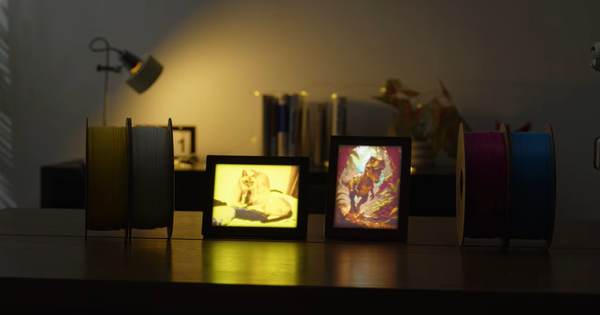
What do these videos tell us? They show us the practical limits of different materials. We are no longer limited to printing single-color, rigid plastic trinkets. Watching a video of a printer seamlessly handling flexible TPU for an e-bike accessory, or laying down multi-color PLA for an artistic articulated dragon, demonstrates the true versatility of the medium. These short, punchy videos serve as visual proof that functional, vibrant, and multi-material builds are entirely possible on a desktop scale.
See the inspiration: YouTube Short,3D Printed Marshmallow Table
See the inspiration: YouTube Short, TPU Gary De'Snake
3. Time-Lapse Records: The "Oddly Satisfying" Truth
There is a reason the 3d printer video time lapse is the most viral format in the community. Compressing a 20-hour complex build into a satisfying 15-second clip highlights the flawless, layer-by-layer growth of a model.
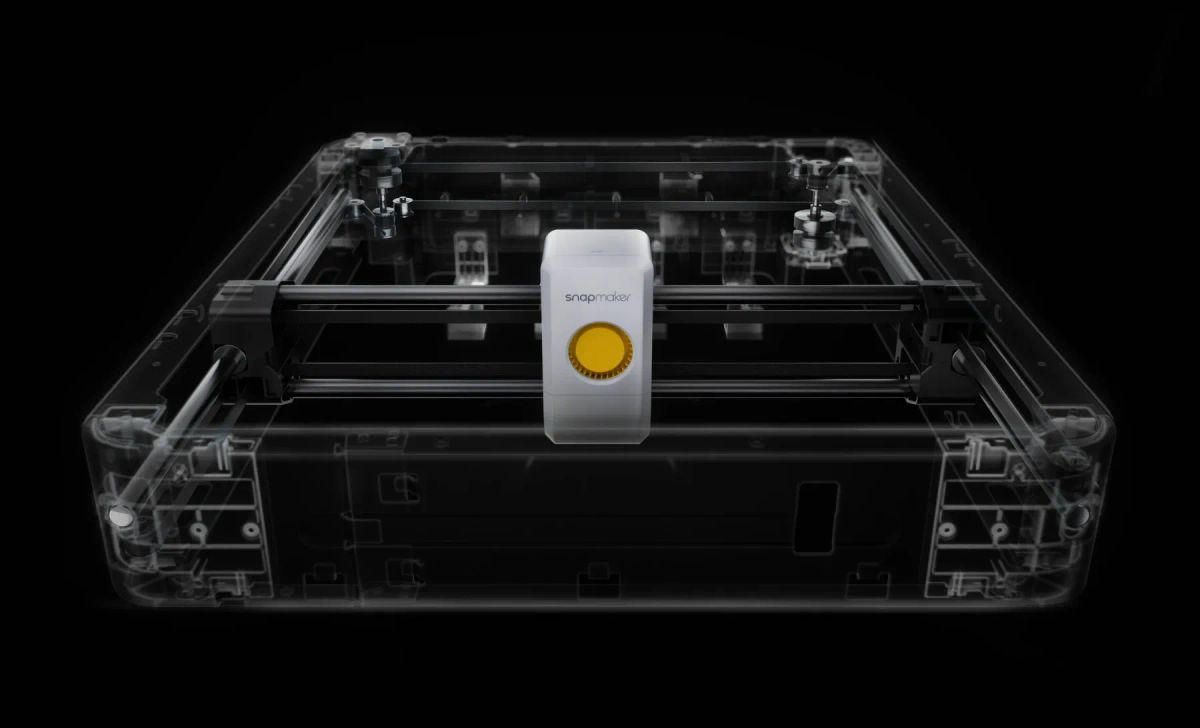
But beyond the visual appeal, a clean time-lapse tells us a lot about the physical stability of the printer. To capture a perfectly smooth time-lapse without a wobbly print, the machine's core structure must be incredibly rigid. When you watch a time-lapse recorded inside the Snapmaker U1, you are actually witnessing the efficiency of a CoreXY System at work. The video proves that the machine can hit travel speeds of up to 500mm/s without sacrificing precision or inducing vibration artifacts.
4. Fail Detection: Catching the Mess Before It Happens
If you spend enough time looking up a video 3d printer compilation, you will inevitably stumble across the infamous "spaghetti fail." These are videos where a print detaches mid-way, resulting in the extruder pushing out a massive, tangled nest of wasted filament.
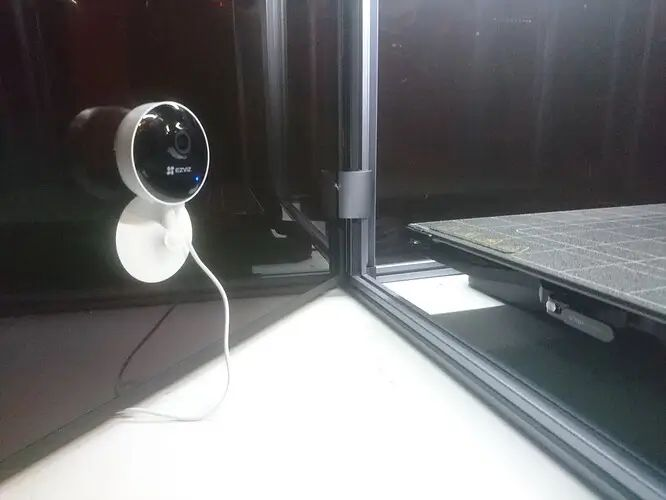
Fail videos tell us the honest truth: 3D printing requires patience, and things go wrong. However, they also show us how technology adapts. The very same cameras used to record those viral fails are now being trained to prevent them. For instance, the chamber camera inside the U1 doesn't just record time-lapses; it uses AI to visually detect those spaghetti messes and workspace obstructions, alerting the user before the print is ruined.
Learn more about the tech: Discover exactly how this vision system works to analyze prints in our complete 3D printer camera guide.
5. Vivid Tutorials: The Modern Video Manual
Finally, 3D printing videos have completely revolutionized the learning curve. Today, very few makers rely on thick, confusing paper manuals. Instead, they search for a how to use a 3d printer video.
These visual guides tell us that maintaining and calibrating complex machinery is more accessible than ever. Whether it is a quick visual guide on resolving an auto-loading failure, running dynamic flow calibration, or unboxing a new machine, video tutorials bridge the gap between user and hardware. They provide immediate, vivid context that text simply cannot match.
See a visual guide: U1 Video Guide: Initial Setup & Printing
The Final Frame
Videos are the ultimate storytelling tool for additive manufacturing. They educate us on complex mechanics, inspire our next projects, honestly depict our failures, and guide us through the learning process step-by-step.
If you want to dive deeper into the mechanics, see more multi-color inspiration, or learn how to master your own machine through visual tutorials, explore the official Snapmaker YouTube Channel. Whether you are looking for a satisfying Short or an in-depth mechanical guide, there is always something new to learn by watching the magic happen.