Top 5 Interesting Facts About 3D Printing You Probably Didn't Know

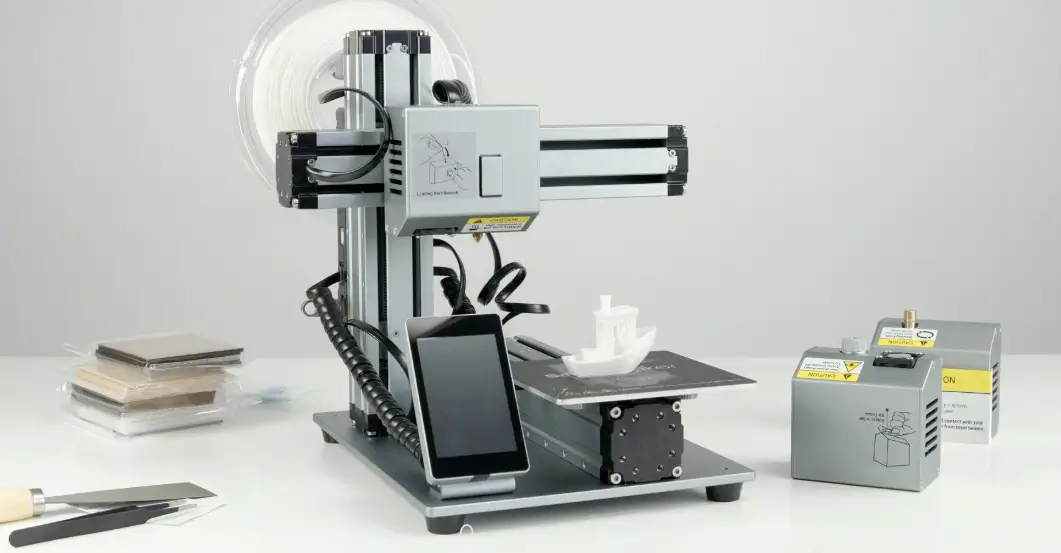
If you have a 3D printer sitting on your workbench right now, you already know it feels a bit like magic. Whether you are prototyping a complex mechanical part, crafting a stunning cosplay helmet, or just printing a functional headphone stand, additive manufacturing has completely changed the way we create. But the history and current reality of this technology are far wilder than most people realize.
To celebrate the incredible world of digital fabrication, we've rounded up some of the most mind-blowing 3d printing facts. From ruined kitchen appliances to zero-gravity problem solving, here are 5 facts about 3d printing that will make you appreciate your machine even more.
1. The World’s Most Popular Tech Started With a Toy Frog (and a Ruined Kitchen)
Today, Fused Deposition Modeling (FDM) 3D printing is the most widely used technology on the planet—and the very tech powering your desktop Snapmaker. But its origins are surprisingly humble.
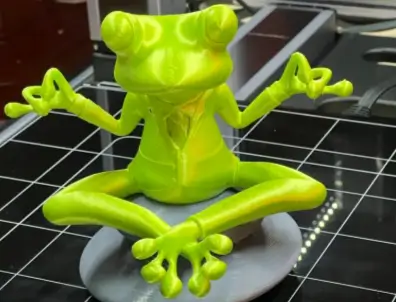
Back in 1989, an engineer named Scott Crump wanted to make a toy frog for his young daughter. Instead of carving it, he decided to load a standard handheld hot glue gun with a mixture of polyethylene and candle wax, building the little amphibian layer by layer. Inspired by the result, he spent months trying to automate the process in his family kitchen. He ended up ruining all of his wife's good frying pans and making it impossible to cook a decent meal, which prompted her to give him a strict ultimatum: either quit this "nasty habit" or turn it into a real business. Crump chose the latter, maxed out his credit, and founded Stratasys, successfully patenting the FDM technology that makers rely on today.
2. The First 3D-Printed Object Was Ridiculously Ordinary
If you could conjure the world's very first 3D-printed object out of thin air, what would it be? A futuristic gear? A laser blaster?
Try a humble eye-wash cup. In 1983, Chuck Hull—the inventor of stereolithography (SLA)—was trying to find a faster way to prototype plastic parts using UV-cured liquid resins. After months of working nights and weekends in a small lab, he finally managed to print a small, black plastic eye-wash cup. He was so ecstatic about the breakthrough that he called his wife late at night and demanded she drive down to the lab immediately to see it. She still owns that historic little plastic cup today.
3. 3D Printers in Space Can "Email" Tools and Fix Themselves
When you are orbiting the Earth on the International Space Station (ISS), you can't exactly run to the local hardware store if you lose a tool. That's why NASA and a company called Made In Space sent a zero-gravity 3D printer to the ISS.
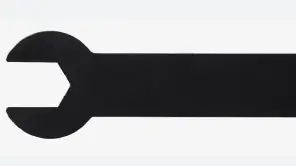
In a brilliant display of self-reliance, the very first part the machine printed in space was a replacement protector piece for its own extruder. Even more incredibly, when an astronaut later misplaced a ratchet wrench, engineers on Earth didn't wait months to send a replacement on a cargo ship. Instead, they simply designed the wrench in CAD, "emailed" the digital file to the space station, and the crew printed a physical, usable wrench right there in orbit.
4. Hollywood Blockbusters Secretly Rely on 3D Printing
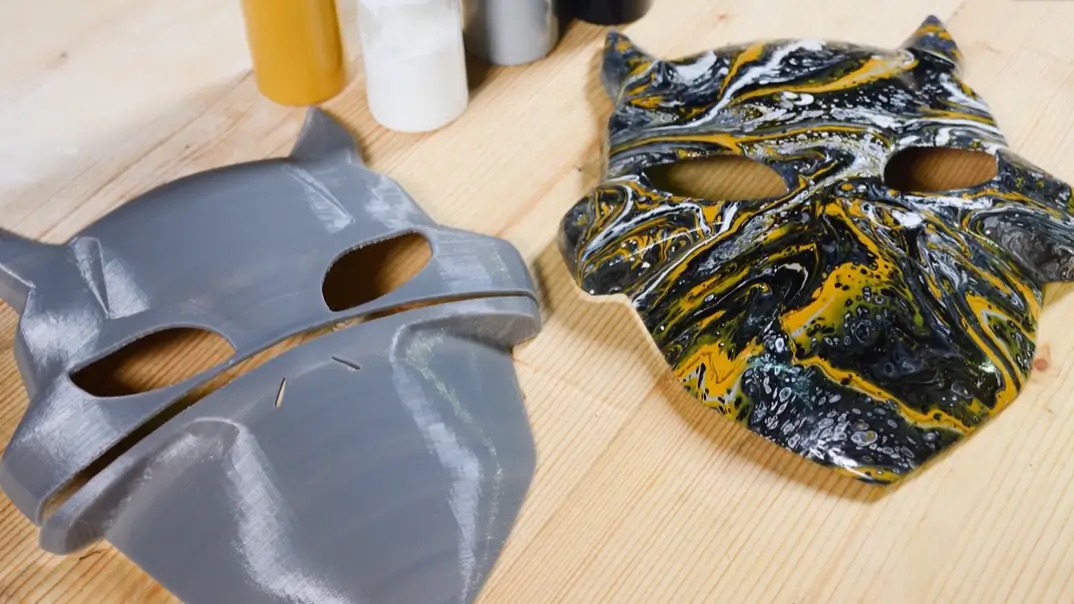
If you love using your 3D printer to print replica props and cosplay gear, you are using the exact same workflow as Hollywood's biggest prop masters. Additive manufacturing has become the entertainment industry's invisible magic wand.
For the stop-motion animated film Coraline, LAIKA Studios used 3D printers to create over 15,300 different interchangeable facial expressions for the characters, allowing for incredibly smooth and realistic emotion on screen. In live-action, Marvel Studios Property Master Russell Bobbitt notes that they use 3D printing for about 100 props per film. Everything from the intricate pieces of Thor's Stormbreaker hammer to Iron Man's Arc Reactor prototypes were designed digitally and 3D printed. They even 3D scanned actor Ben Affleck's head to perfectly print and mold his iconic Batman cowl for the DC universe.
5. It is Helping the Visually Impaired "See" Classic Masterpieces
There are plenty of interesting facts about 3d printing, but this one is genuinely heartwarming. For centuries, classical paintings have been strictly visual experiences, leaving blind and visually impaired individuals unable to fully appreciate them.
Enter the Unseen Art Project in Finland. This incredible initiative uses 3D scanning and high-resolution 3D printing to turn classic 2D masterpieces—like Leonardo da Vinci's Mona Lisa—into highly detailed, topographical 3D relief models. Recreating such complex structures and delicate brushstrokes requires immense precision. This is where advanced desktop manufacturing, such as the Snapmaker U1 3D Printer, truly shines. Thanks to its innovative SnapSwap™ 4-toolhead system, the U1 excels at multi-material printing, allowing makers to perfectly use dissolvable support or breakaway support materials. This ensures the most intricate artistic details are flawlessly preserved without risking damage during post-processing. By contrasting the heights of these perfectly printed layers and incorporating braille nameplates, the project allows people with vision loss to run their fingers over the canvas, feeling the facial features and composition of historical art for the very first time.
What's Your 3D Printing Story?
From hot glue guns in the kitchen to zero-gravity tool manufacturing, 3D printing has come a long way. Now that the power of a complete fabrication shop can fit right on your desktop with machines like the Snapmaker, the only limit is your imagination.
Which of these 3D printing facts surprised you the most? And more importantly, what is the coolest thing you have ever made with your Snapmaker? We'd love to see your creations! Join the conversation and share your projects with our community on the official Snapmaker Forum.